


In the world of interior design, few trends have managed to capture the essence of the contemporary home quite like the modern rustic style. As the founder of Matuta Home, I have had the privilege of accompanying hundreds of families in transforming their spaces, and I can say with certainty that modern rustic decor is not just a fleeting fashion, but a philosophy of life that embraces both the warmth of the past and the functionality of the present.
The keys to modern rustic decor
Modern rustic decor represents much more than a simple aesthetic choice; it is a statement of principles that celebrates authenticity, sustainability, and a connection to our roots. In an increasingly digital and fast-paced world, our homes have become sanctuaries where we seek to reconnect with the essentials, with those elements that remind us of the beauty of imperfection and the elegance of nature.
The magic of the modern rustic style lies in its ability to create fascinating dialogues between different eras. Imagine for a moment a kitchen where a Carrara marble island harmoniously coexists with century-old wooden beams, or a living room where a contemporary sofa perfectly complements a coffee table hand-carved by local artisans. These contrasts, far from creating tension, generate a visual symphony that speaks of respect for the past and enthusiasm for the future.
At Matuta Home, we have developed a philosophy that we call "conscious balance," which consists of finding the exact point where modern functionality meets traditional warmth. This balance is not achieved by chance; it requires a deep understanding of materials, a special sensitivity to proportions, and, above all, a genuine connection to the history and character of the space we are transforming.
The alchemy of vintage and contemporary: the heart of modern rustic style
One of the questions I most frequently receive at Matuta Home is how to make pieces from different eras coexist without the result looking like a museum or, at the opposite extreme, a space lacking personality. The answer lies in understanding that each object, whether vintage or contemporary, possesses a particular energy that must be respected and enhanced through its relationship with the environment.
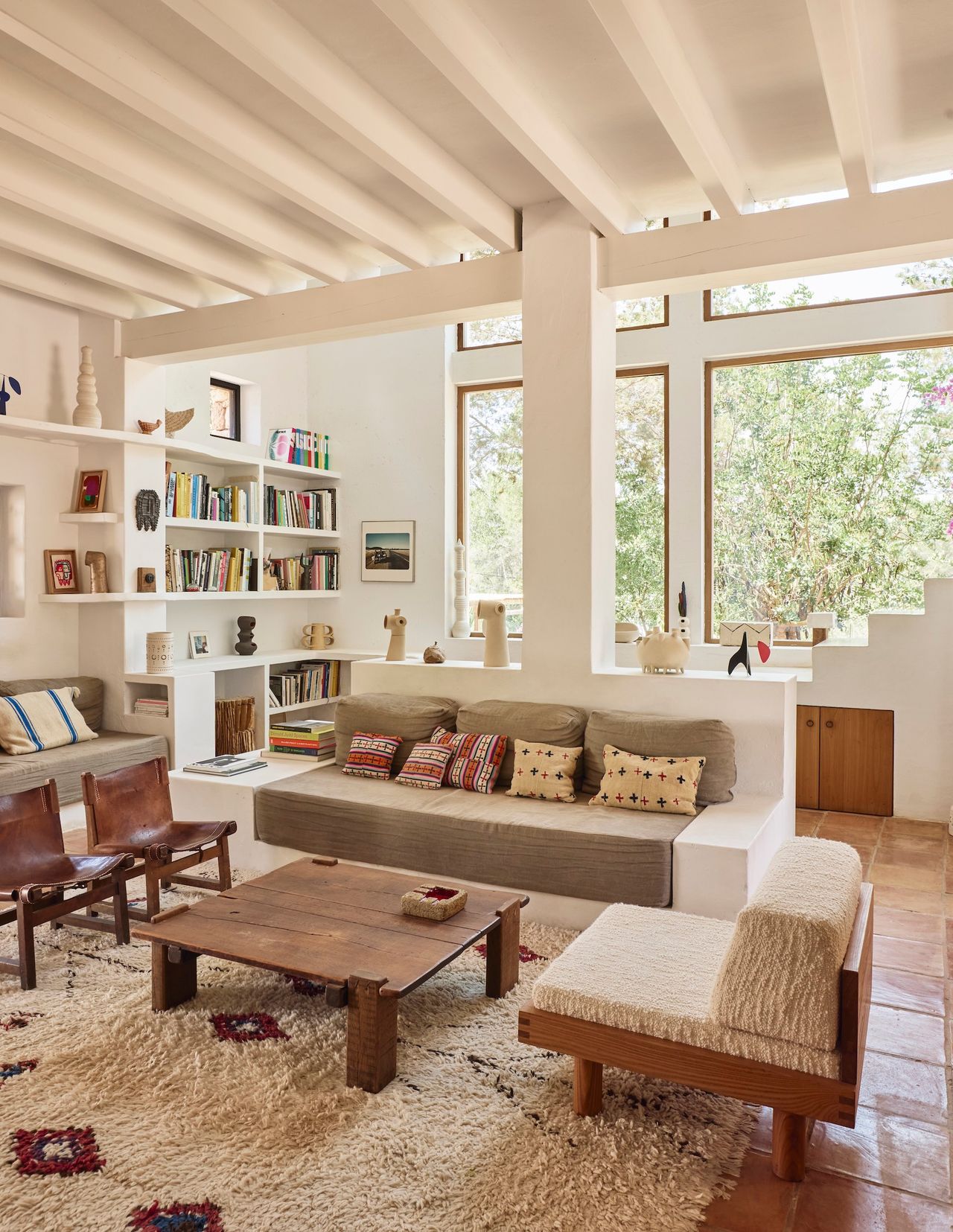

The key to mastering this mix lies in what I call "the common thread rule." This thread can be a color, a texture, a shape, or even a feeling. For example, in one of our most successful projects, we managed to unify an ultra-modern steel and glass dining table with 18th-century Windsor chairs through a seemingly simple element: the matte black color present in both the metal structure of the table and the natural patina of the antique chairs.
Vintage furniture brings soul and character to any space. Every mark, every imperfection, every sign of the passage of time tells a story that no new furniture can replicate. However, it is essential to understand that it is not about accumulating antiques, but about carefully selecting those pieces that truly add both aesthetic and functional value to the overall composition.
In my experience, the most successful vintage pieces in a modern rustic context are those that maintain their functionality intact but have developed a natural patina that speaks of use and care. A 1950s oak dresser, for example, can become the star element of a contemporary bedroom if intelligently combined with modern textiles and current lighting.

The integration of vintage objects also requires an understanding of proportions and scales. A common mistake I observe is the tendency to group all antique pieces in a single space, creating what I call "temporal islands" that break the flow of the design. Instead, I recommend distributing these elements strategically, allowing each piece to breathe and dialogue with its immediate surroundings.
Vintage decorative objects deserve special mention in this equation. Hand-crafted ceramic vases, photograph frames with a golden patina, antique books with leather bindings, or textiles with traditional embroidery can completely transform the atmosphere of a space. However, the key is moderation and conscious selection. Each object must earn its place not only for its beauty but for its ability to contribute to the overall narrative of the space.
One strategy that has proven particularly effective at Matuta Home is what we call "the controlled contrast technique." This involves creating focal points where the contrast between vintage and modern is more pronounced, while maintaining a more subtle transition in the rest of the space. For example, we might place an antique wrought-iron chandelier over a minimalist dining table, creating a moment of visual tension that captures attention and defines the character of the space.
Lighting plays a crucial role in this integration. A vintage piece might look out of place under cold, direct light, but it comes alive under warm, diffused lighting that highlights its textures and nuances. Conversely, modern elements can benefit from more direct lighting that emphasizes their clean lines and polished surfaces.
It's also important to consider the cultural and geographical context when selecting vintage pieces. In the Mediterranean, for example, traditional ceramic objects, wrought iron pieces, and textiles with regional motifs create natural connections with the surroundings. These pieces not only bring authenticity to the design but also reinforce a sense of belonging and connection to the place.
Natural materials: the fundamental basis of modern rustic design
If there's one thing that unequivocally defines modern rustic style, it's its profound respect and celebration of natural materials. At Matuta Home, we consider these materials not just as decorative elements, but as the true protagonists that bring life and authenticity to each project. Wood, stone, linen, artisanal ceramics, and wrought iron are not simply aesthetic choices; they are tangible connections to nature and to the artisanal traditions that have endured through the centuries.

Source: www.barracuda-interiors.com
Wood, without a doubt, holds a privileged place in this palette of materials. However, not all woods are appropriate for modern rustic style. We seek woods that tell stories, that show their natural grain, that exhibit the marks of time and use. Reclaimed wooden beams, for example, bring an incomparable historical dimension to any space. Every crack, every knot, every variation in color speaks of decades or even centuries of history.
In one of our most emblematic projects, we used chestnut beams reclaimed from a 17th-century farmhouse to create the ceiling of a contemporary living room. The contrast between these centuries-old beams and the clean-lined modern furniture created a fascinating visual tension that became the defining element of the entire space. The wood not only provided warmth and texture but also established an emotional connection with the past that no synthetic material could have achieved.
Natural stone represents another fundamental pillar in modern rustic design. From travertine marble to local limestone, each type of stone brings unique characteristics that can completely transform the perception of a space. Stone not only offers durability and functionality but also provides a sense of permanence and solidity that anchors the design in the physical reality of the place.
I have observed how the incorporation of natural stone elements can completely change the acoustics and thermal sensation of a space. An exposed stone wall is not only visually striking but also naturally regulates temperature and creates a sense of refuge and protection that is fundamental to the concept of home.

Project: Atelier Du Pont
Natural textiles deserve special attention in this discussion. Linen, organic cotton, virgin wool, and vegetable fibers like jute or hemp are not only sustainable options but also provide textures and tactile sensations that greatly enrich the experience of the space. A sofa upholstered in natural linen, for example, is not only visually beautiful but also ages elegantly, developing a patina and softness that improve with time.
At Matuta Home, we look for fabrics for our catalog that show the irregularities inherent in artisanal work, that have variations in texture and color that speak of their natural origin. These "imperfections" are, in reality, the characteristics that bring personality and authenticity to the design.
Artisanal ceramics represent another fundamental element in our palette of natural materials. From handmade dinnerware to large decorative vases, ceramics provide a tactile and visual dimension that connects directly with local pottery traditions. Each piece of artisanal ceramic is unique, with variations in glaze, small imperfections in shape, and a presence that no industrial piece can replicate.
Wrought iron, although technically a processed material, maintains a direct connection with artisanal traditions that make it a natural element within the modern rustic context. Hand-forged iron pieces, whether lamps, railings, or decorative elements, provide a solidity and presence that perfectly complement the warmth of wood and the nobility of stone.
The integration of these natural materials requires a deep understanding of their individual characteristics and how they interact with each other. Wood and stone, for example, can create fascinating contrasts in visual temperature: the warmth of wood balances the coolness of stone, while the solidity of stone provides a perfect counterpoint to the flexibility of wood.
It is also fundamental to consider the aging of these materials. While synthetic materials tend to deteriorate over time, natural materials develop a patina that makes them more beautiful and valuable. A solid wood table, for example, not only retains its functionality for decades, but every mark, every small scratch, every change in color contributes to its history and unique character.
Sustainability is another crucial aspect in the selection of natural materials. At Matuta Home, we prioritize locally sourced materials and production processes that respect the environment. This not only reduces the ecological impact of our projects but also strengthens the connection to the place and the local community.
The Art of Balance: Navigating Between Rusticity and Contemporary Design
Finding the perfect balance between authentic rusticity and contemporary design is, without a doubt, the greatest challenge and the greatest reward of the modern rustic style. In my years of experience with Matuta Home, I have learned that this balance is not a mathematical formula that can be universally applied, but rather a subtle art that requires sensitivity, experience, and a deep understanding of the specific needs of each space and each family.

Source: www.cobaltostudio.com
The balance begins with the understanding that rusticity does not mean carelessness, and modernity does not imply coldness. Authentic rusticity is characterized by the honesty of materials, unpretentious functionality, and a connection to local traditions. On the other hand, contemporary design brings optimized functionality, clean lines, and innovative solutions to the challenges of modern life.
One of the most common mistakes I observe is the tendency to tip the scales too far towards one extreme. An overly rustic space can feel heavy and anachronistic, while a design that is too modern can lack warmth and personality. The key is to create what I call "controlled tension points," where these two worlds meet and interact productively.
In practice, this translates into very specific decisions about each design element. For example, in a modern rustic kitchen, we might opt for state-of-the-art appliances with finishes that respect the natural material palette of the space. A kitchen island could combine a reclaimed wood structure with a cutting-edge quartz countertop, creating a focal point where tradition and innovation meet harmoniously.
The treatment of surfaces is another crucial aspect of this balance. An exposed stone wall can perfectly coexist with hidden climate control systems and integrated home automation technology. The key is for the technology to remain invisible, allowing the natural rusticity of the space to maintain its visual prominence while benefiting from all modern conveniences.

Project: Serge Castella
In terms of furniture, balance is achieved through what I call "the anchor and counterpoint strategy." This involves selecting one or two pieces that act as rustic anchors for the space - perhaps a solid wood dining table or a restored antique cabinet - and complementing them with contemporary pieces that bring functionality and visual freshness without competing for prominence.
The color palette plays a fundamental role in maintaining this balance. Neutral and earthy tones provide a base that allows both rustic and modern elements to shine without creating visual conflicts. However, this does not mean the space should be monochromatic. Color accents can be introduced through textiles, art, or decorative elements, always maintaining a coherence that respects both rustic warmth and contemporary sophistication.
Modern functionality must be integrated in a way that feels natural and not forced. Storage systems, for example, can be designed to look like traditional furniture while incorporating state-of-the-art organizational solutions. A rustic sideboard can conceal a complete sound system, or a traditional bookcase can incorporate integrated LED lighting that enhances both books and decorative objects.
Balance also manifests in the relationship between open spaces and more intimate areas. Contemporary design favors open and fluid spaces, while rustic tradition values cozy corners and well-defined areas. The solution is to create spaces that are visually open but offer multiple opportunities for intimacy and contemplation.
The key to mastering this balance is to understand that it is not a competition between styles, but a collaboration. Each element, whether rustic or modern, must contribute to the creation of an environment that is simultaneously welcoming and functional, traditional and current, personal and universal. When this balance is achieved, the result is a space that transcends trends and becomes a true home that evolves and improves over time.
Practical tips for implementing the modern rustic style in your home
I have compiled a series of practical tips that can guide anyone in the successful implementation of the modern rustic style. These tips are designed to be applicable regardless of budget or space size.

1. Start with a neutral base and build from there
The first, and perhaps most important, tip is to establish a neutral base that allows both rustic and modern elements to shine without competing with each other. This means opting for wall colors in beige, warm gray, or off-white tones that act as a canvas on which to build the design. This neutral base not only facilitates the integration of different styles but also allows the decor to evolve over time without requiring major structural changes.
2. Embrace imperfections
One of the most liberating aspects of the modern rustic style is that imperfections are not only acceptable but desirable. A table with signs of wear, a wall with an irregular texture, or a textile with slight variations in its weave provide authenticity and character that no perfect element can replicate. Learn to see these "imperfections" as features that enrich the design.
3. Create layers of texture
The visual richness of modern rustic style largely comes from layering different textures. Combine the softness of linen with the roughness of wood, the coolness of metal with the warmth of wool, the smoothness of marble with the irregularity of natural stone. These layers of texture create visual and tactile depth that makes the space more interesting and inviting.
Light with intention
4. Always warm lighting
Lighting can make or break a modern rustic design. Avoid uniform, cold lighting, and opt for multiple sources of warm light that create different atmospheres depending on the time of day and activity. Combine ceiling lamps with table lamps, wall sconces, and candles to create a rich and varied lighting scheme.
5. Incorporate living natural elements
Plants not only purify the air but also bring life and freshness to modern rustic design. Opt for plants that complement the aesthetic of the space: aromatic herbs in the kitchen, large-leaf plants in the living room, or small cacti on shelves. Living natural elements create a direct connection with nature that is fundamental to this style.
6. Tell a coherent story
Every element in a modern rustic space must contribute to a coherent narrative. This does not mean that everything must be from the same period or style, but rather that there must be a common thread connecting all the elements. This thread can be a color, a material, a historical era, or even a feeling you want to convey.
Don't be afraid to mix eras
One of the most exciting aspects of modern rustic style is the freedom to combine elements from different eras. A 1950s chair can perfectly coexist with a contemporary table if both share certain elements such as material, color, or scale. The key is to find those points of connection that allow seemingly incompatible pieces to work together.
7. Evolve gradually
Don't feel pressured to transform the entire space at once. Modern rustic style lends itself perfectly to gradual evolution, where you can incorporate new elements and replace others as your budget and needs change. This gradual approach also allows the space to develop more organically and personally.
8. Respect existing architecture
Work with the architecture of your space, not against it. If you have exposed beams, celebrate and highlight those features. If your space has high ceilings, take advantage of that verticality. If you work with existing features instead of fighting them, the result will be more authentic and harmonious.
9. Seek local inspiration
Each region has its own artisanal traditions and local materials that can greatly enrich a modern rustic design. Look for local artisans, regional materials, and decorative traditions that can bring authenticity and a connection to the place to your design.
10. Invest in quality key pieces
Instead of filling the space with many mediocre elements, it is preferable to invest in a few high-quality pieces that truly make a difference. A solid wood dining table, a sofa upholstered in natural linen, or a handcrafted wrought-iron lamp can completely transform a space and serve as focal points around which to build the rest of the design.
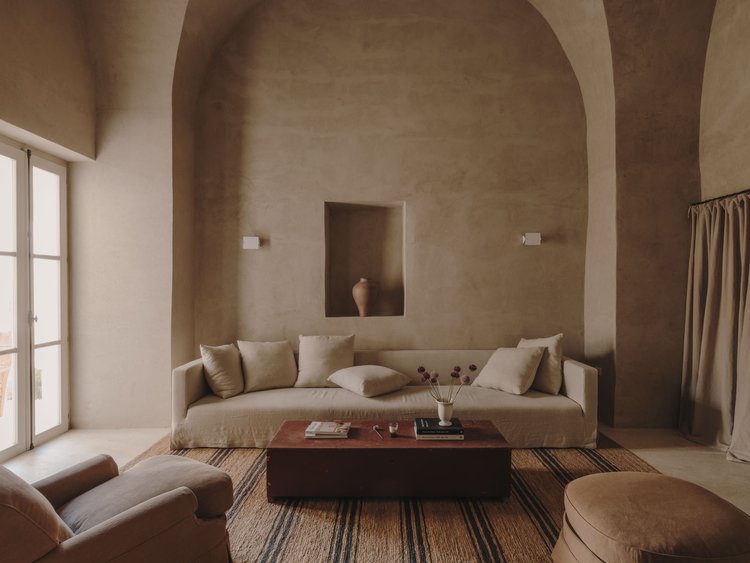
Photo: Salva López
Creating homes that transcend time
Modern rustic decor teaches us that true elegance lies not in perfection, but in authenticity. It reminds us that the most beautiful objects are those that carry stories, that show the marks of time and use, that connect with traditions that have endured because they truly work. At the same time, it invites us to embrace innovations that improve our quality of life, as long as we do so with respect and sensitivity.
The intelligent mix of vintage objects and furniture and contemporary ones is not just a decorative strategy; it is a way to honor the past while building the future. Every antique piece we incorporate into a modern design is a vote of confidence in durability, quality, and beauty that transcends trends. Every contemporary element we add is a statement that we are alive in our time and want to make the most of the possibilities it offers us.
Natural materials, for their part, connect us with the earth, with natural cycles, and with the artisanal traditions that have shaped our cultures for millennia. In an increasingly digital and artificial world, these materials remind us of our essential nature and provide us with the solid foundation upon which to build our dreams.
The balance between rustic and modern is not a destination to be reached, but a continuous journey of discovery and refinement. Every day, every season, every change in our lives offers us new opportunities to adjust, improve, and evolve our spaces. This capacity for adaptation and growth is, perhaps, the most valuable characteristic of modern rustic style.
At Matuta Home, we firmly believe that a well-designed home is an investment in happiness, well-being, and quality of life. It's not just about creating beautiful spaces, but about creating environments that nourish the soul, inspire creativity, and strengthen family bonds. The modern rustic style, with its emphasis on authenticity, functionality, and connection with nature, provides the perfect framework to achieve these goals.

Project: Durietz Design
My invitation to all those who are drawn to this style is to dare to experiment, to trust their intuition, and to remember that the best design is one that genuinely reflects who they are and how they want to live. Modern rustic style is not a rigid formula to be followed to the letter, but a flexible and rich language that can adapt to any personality, budget, or space.
Ultimately, decorating a home in modern rustic style is an act of love: love for history, love for craftsmanship, love for nature, and, above all, love for the people who will inhabit that space. It is about creating a sanctuary where the best of the past and the best of the present meet to shape a more beautiful, more authentic, and more human future.
\n\n\n \n Chat App \n \n \n\n\n
\n
\n\n \n \n \n\n\n"))```json
[
{
"text": "stir a conductive thread that unites all the elements. This thread can be a color, a material, a historical era or even a sensation you want to transmit. "
},
{
"type": "p",
"children": [
{
"text": "Don't be afraid to mix eras",
"bold": true
}
]
},
{
"type": "p",
"children": [
{
"text": "One of the most emotional aspects of modern rustic style is the freedom to combine elements from different eras. A 1950s chair can perfectly coexist with a contemporary table if both share certain elements like material, color, or scale. The key is to find those connection points that allow seemingly incompatible pieces to work together."
}
]
},
{
"type": "p",
"children": [
{
"text": "Prioritize functionality",
"bold": true
}
]
},
{
"type": "p",
"children": [
{
"text": "No matter how beautiful an element is, if it's not functional for your lifestyle, it's probably not the right choice. Modern rustic style should serve real life, not complicate it. Make sure every element is not only aesthetically appropriate but also practically useful."
}
]
},
{
"type": "p",
"children": [
{
"text": "Gradually evolve",
"bold": true
}
]
},
{
"type": "p",
"children": [
{
"text": "Don't feel pressured to transform your entire space at once. Modern rustic style lends itself perfectly to gradual evolution, where you can incorporate new elements and replace others as your budget and needs change. This gradual approach also allows the space to develop in a more organic and personal way."
}
]
},
{
"type": "p",
"children": [
{
"text": "Respect the existing architecture",
"bold": true
}
]
},
{
"type": "p",
"children": [
{
"text": "Work with the architecture of your space, not against it. If you have exposed beams, celebrate and highlight those features. If your space has high ceilings, take advantage of that verticality. If you work with existing features instead of fighting them, the result will be more authentic and harmonious."
}
]
},
{
"type": "p",
"children": [
{
"text": "Seek local inspiration",
"bold": true
}
]
},
{
"type": "p",
"children": [
{
"text": "Each region has its own artisanal traditions and local materials that can greatly enrich a modern rustic design. Seek out local artisans, materials from the area, and regional decorative traditions that can bring authenticity and connection to the place in your design."
}
]
},
{
"type": "p",
"children": [
{
"type": "image",
"src": "https://private-us-east-1.manuscdn.com/sessionFile/R6FtnNGasZJj0Jx7xgIrlU/sandbox/xYZwajAwbNMy8HkszQ3zcC-images_1752314035105_na1fn_L2hvbWVzL2hvdXNlcy9ob2dlcmFzL2h1ZS1sYWxvL21lZGlhLzYwMDAxLTQ1NTQzLnBuZz9Policy=eyJTdGF0ZW1lbnQiOlt7IklzU2F0dGltZXJuY2UiOiJleUp0ZEdGMGJuUWlPbHQ3SWxKbGMyOTFjbU5sSWpvaWFIUjBjSE02THk5d2NtbDJZWFJsTFhWekxXVmhjM1F0TVM1dFlXNTFjMk5rYmk1amIyMHZjMlZ6YzJsdmJrWnBiR1V2VWpaR2RHNU9SMkZ6V21wWk1FcDROM2huU1hKc1ZTOXpZVzVrWW05NEwzaFpXbmRoYWtGM1lrNU5lamhJYTNONlVUTjZZME10YVcxaFoyVnpYekUzTlRJek1UUXdNelV4TURWZmJtRXhabTVmVERKb2RtSlhWWFprVjBveFltNVNNVXd5VG1oak1rWm1Zekk1YzFwWVVuWllNMDVvWWtjNWRWZ3liSFZrUjFaNVlWYzVlVmd6U2pGak0xSndXVEk1Wm1KWE9XdGFXRXAxWW5jdWFuQmxaeUlzSWtOdmJtUnBkR2x2YmlJNmV5SkVZWFJsVEdWemMxUm9ZVzRpT25zaVFWZFRPa1Z3YjJOb1ZHbHRaU0k2TVRjNU9EYzJNVFl3TUgxOWZWMTklMjZLZXktUGFpci1JZCUzREsySFNGTkRKWE9VOVlTJTI2U2lnbmF0dXJlJTNEc3VqQ1dIV1lhRDFVMFhvaUlpOGswaVJ4VFp2fm1SVnNRQVppeXdiYUp6N2JuVnNuUzY5MjNafmlkRURUfld3Wn56M05nOWFwRE1LbDEzWDJ0VGZNLWV4ZHFYM2diOHNFNXF+bW1nNndXMnVweUswaFBleHNIam9vVy1WbXpPSmR4UTBNajdmdm5DU1lpOWdNVGI2RGtVQWhRbnBHaXUxZmpHdEVGWDlTdnh0b2s0MEt5a2JXb1FiUHFsRlRhY0hFRlpSSVJ2aU10Z0t6bXlJVkpGWWtxNEhGVnYyNDdtWDhwM29acnppTzZGT2hzQjYxZWxZaFlldFBOb1VsS3gxRkpBZFJPOUxIV3BoWlVnMUlEfk5haE02ejNkV2hHdlpKODVlWURRV2l5cmI1bkNhdFQ2aVB6YkhLb3M4OUNtTnZ5eHFBR0xub1lmS0JMLUR0OWs3aEpnX18lMjIi",
"uid": "yP3l9XVJ0O2pQpAVstvWlI",
"alt": "Casa Soleto Living Room",
"status": "success",
"children": [
{
"text": ""
}
]
}
]
},
{
"text": "\n"
},
{
"text": "Fuente: ",
"italic": true
},
{
"type": "link",
"url": "http://andrew-trotter.com/interior-design",
"children": [
{
"text": "http://andrew-trotter.com/interior-design",
"italic": true
}
]
}
]
```
\n
\n \n \n
\n \n \n
\n \n
\n \n
\n
\n \n
\n
\n \n
\n \n
\n \n Chat Room\n
\n \n \n
\n \n \n
\n \n
\n \n Users\n
\n \n \n
\n I encourage you to embark on this transformative journey with confidence and enthusiasm. Remember that every choice you make, every element you incorporate, every balance you find, contributes to creating not just a beautiful space, but a true home that will be the setting for your best memories and a refuge for your most cherished dreams.
If you are looking for pieces to decorate your home with a modern rustic style, I encourage you to visit our store's collections of natural decor, rustic decor, vintage objects and furniture, wabi-sabi style, and handmade ceramics.
If you would like us to help you with the decoration or interior design of your home, write to us at info@matutahome.com and tell us about your project.